

Today I picked up my new 992.2 911 C2S, and it lived up to way more than my expectations in every way.
I recently wrote about how much I didn’t enjoy my 992.2 GTS Targa 4. The weight of the car was more than it is on paper. The electric turbo flattening the torque curve flattened the sound and the joy to go with it. You could experience note changes based on gear change but no rising or falling of momentum. It felt digital and disengaged. Anyone could drive it fast and get the same muted reward.
Learning to Be a Better Driver
I’ve owned several BMWs over the years, but my favourite was the M140i. It paired a turbocharged 3.0 litre straight six with rear wheel drive in a compact body, producing around 340 PS. On paper, it had all the ingredients of a driver focused car.
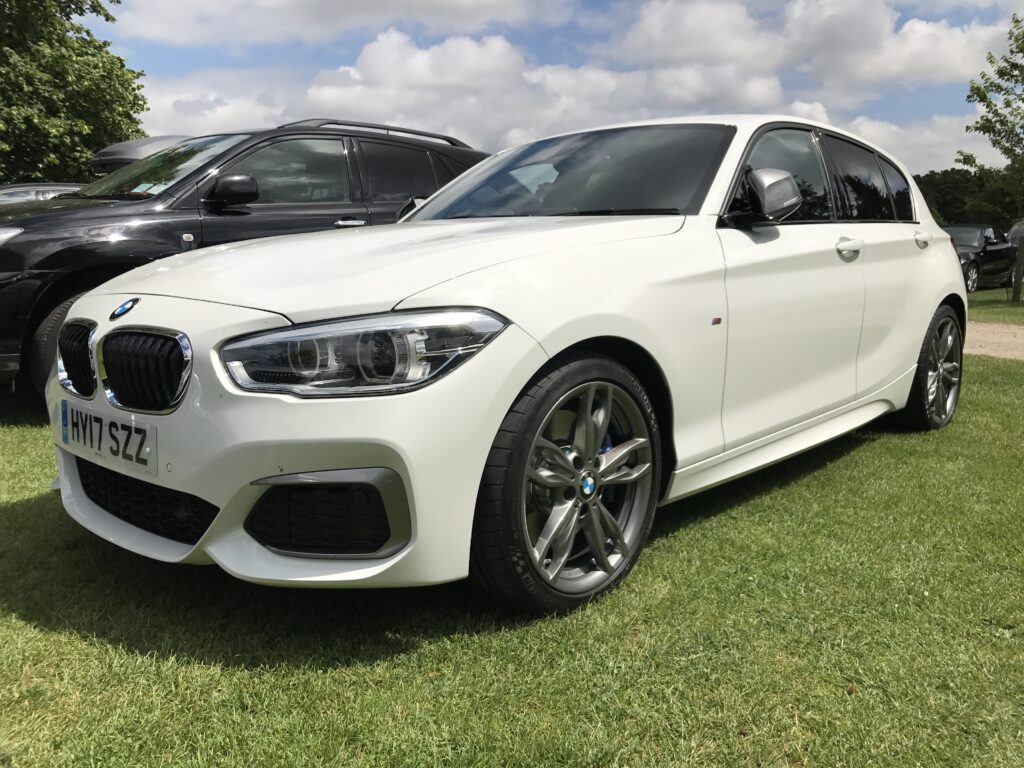
In reality, power doesn’t compensate for too much weight or a high centre of gravity. High torque delivered low in the rev range makes tight corners harder to manage on unpredictable surfaces. And road orientated brakes, even with four pistons and vented discs, struggle to manage heat consistently on demanding roads. These are the kinds of lessons that only become obvious when spending time driving with people who really know what they’re doing, and in places that expose those limits.
As a group, Rich, Gary, Kev, Jim and I go on drives in places most people only ever see in an episode of Top Gear or through their favourite YouTube channel. Endless mountain switchbacks with unpredictable road surfaces. Roads with undulation that suddenly leave your stomach in your throat. Thick fog at high altitude. Roads turned into rivers by torrential rain. Snow ploughed roads that demand careful, deliberate progress. And, of course, roads that enable you to test what a car is really capable of at speed. Essentially, thanks to Gary’s mapping genius, roads that demand more of a car and the driver.
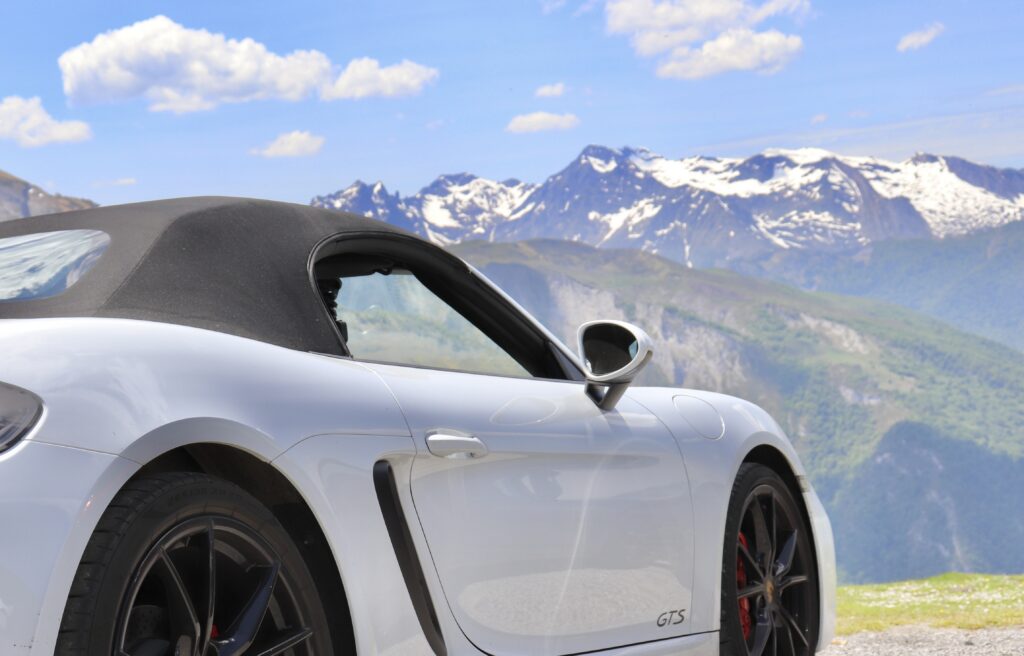
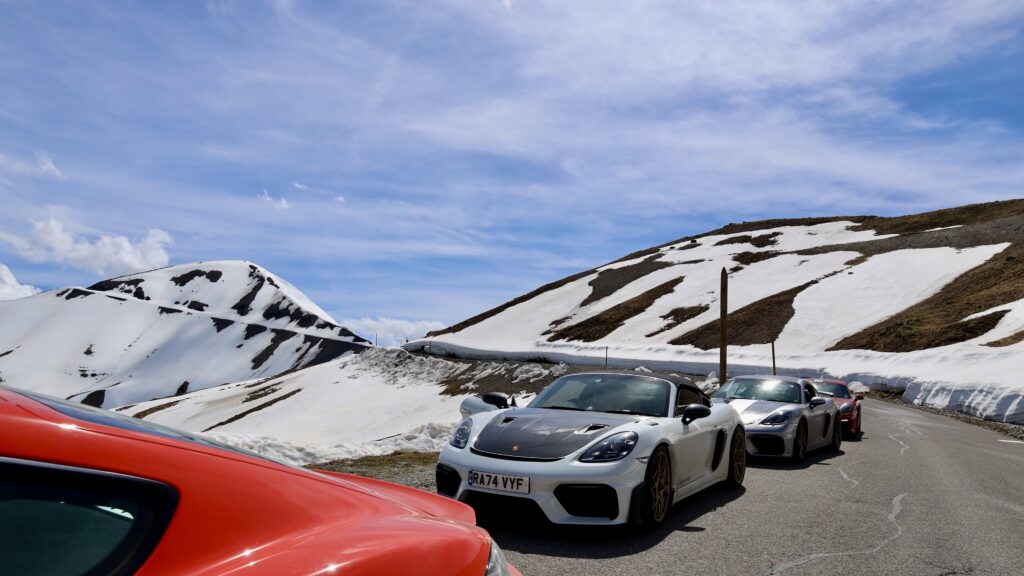

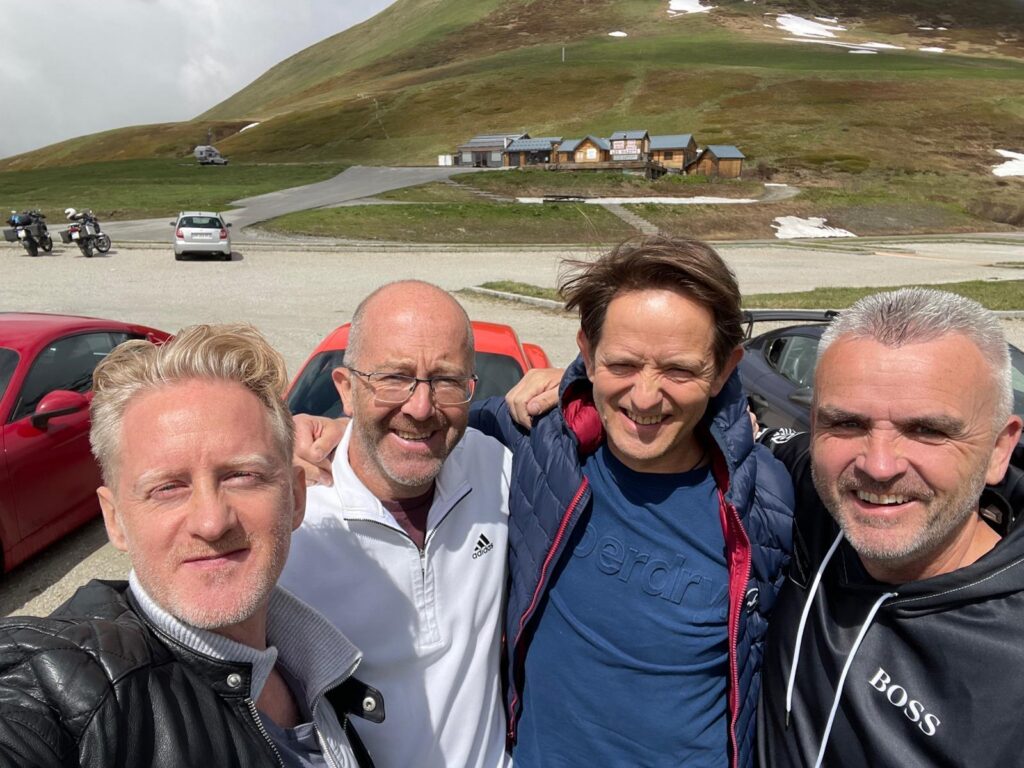
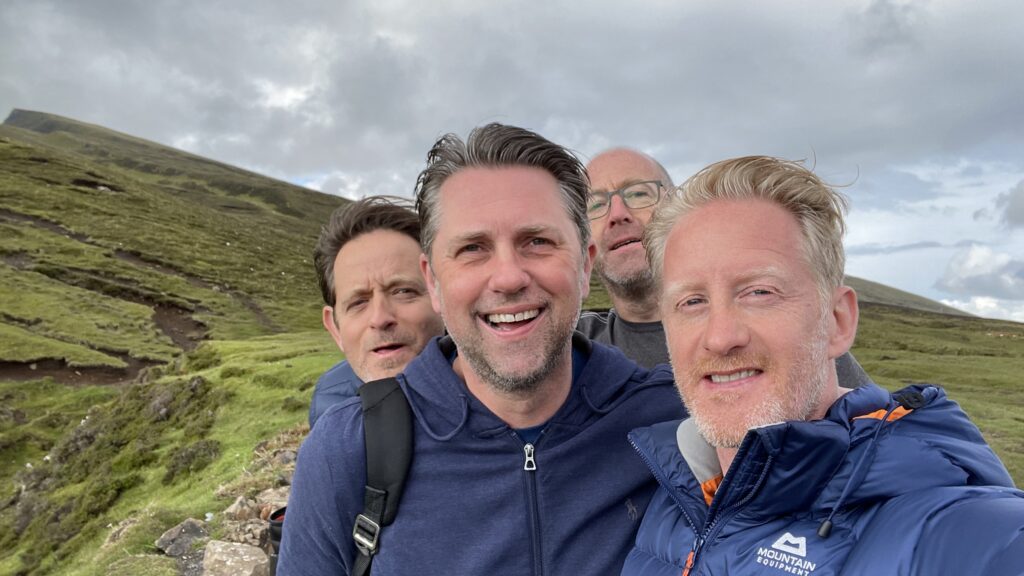
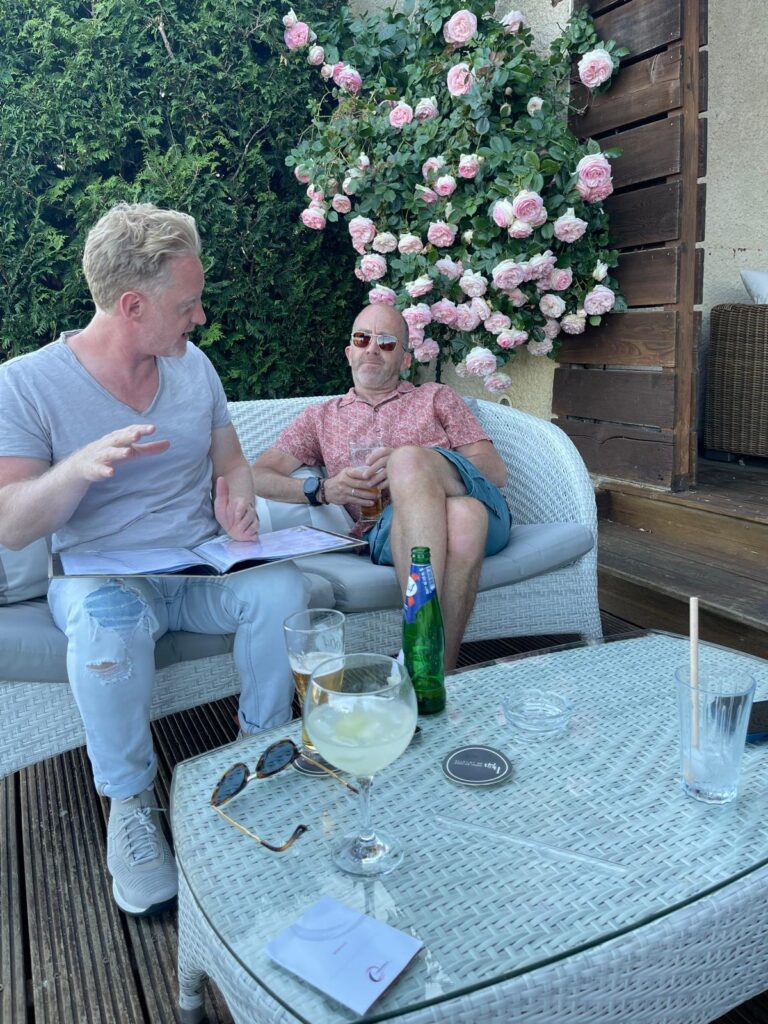
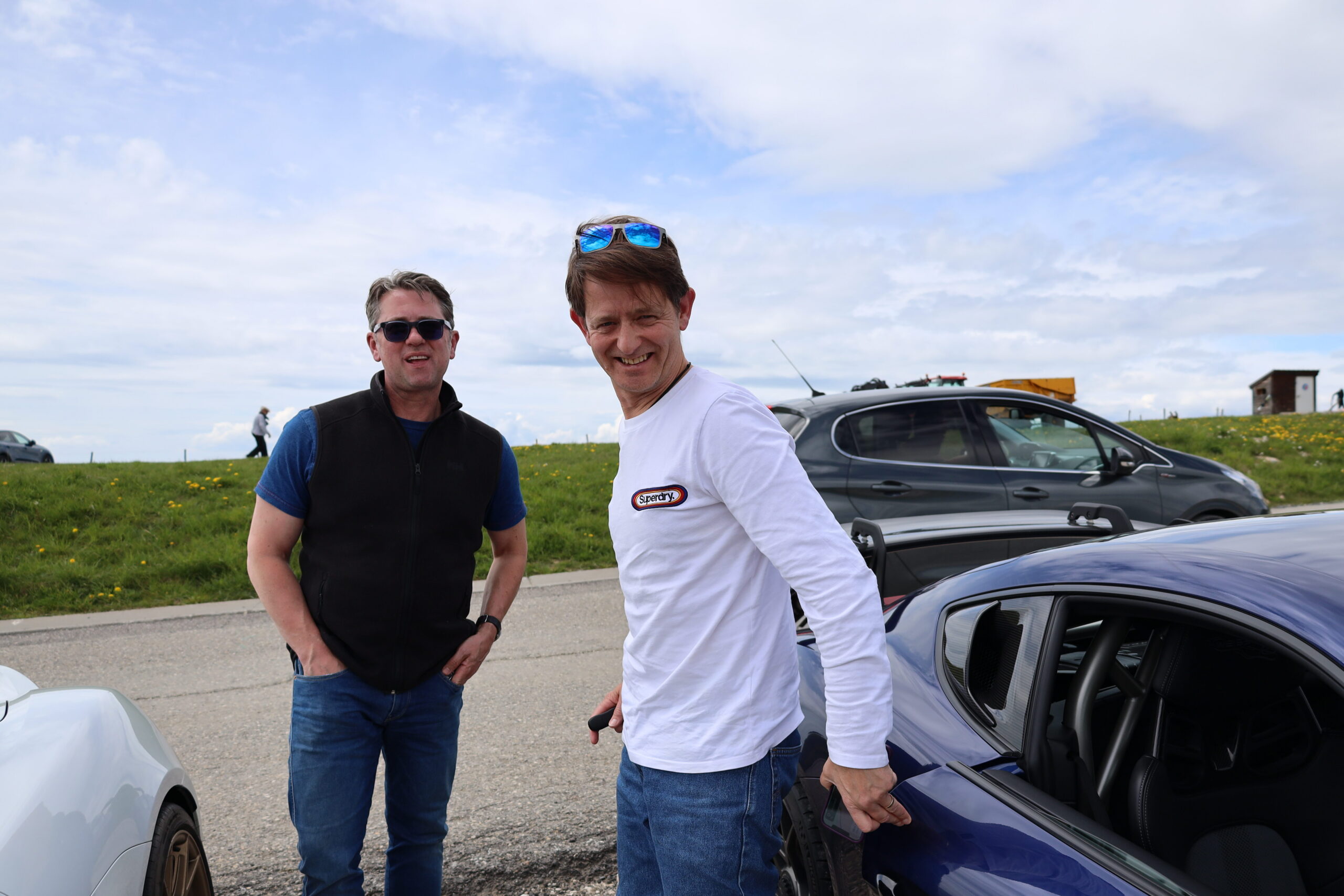
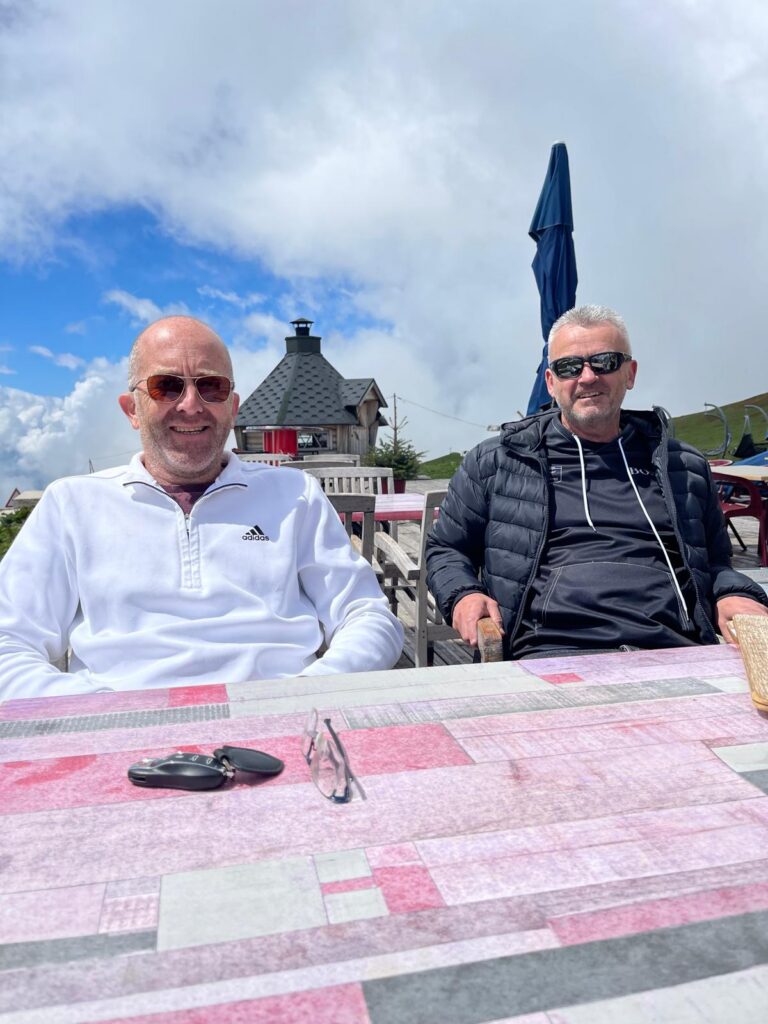
Our group chat, the analysis over dinner after a day of driving, the whole experience created by being part of this group has given me another strand of purpose in everyday life. I can honestly say that without these chaps I’d still be ignorant of what real driving is all about.
If you want to be a better driver, you have to surround yourself with people who know how to drive, who are willing to have an opinion on how you drive, and who you respect enough to hear it! 🙂 Seriously, becoming a better driver is a team sport. You can’t do it alone, no matter how many hours you spend behind the wheel.
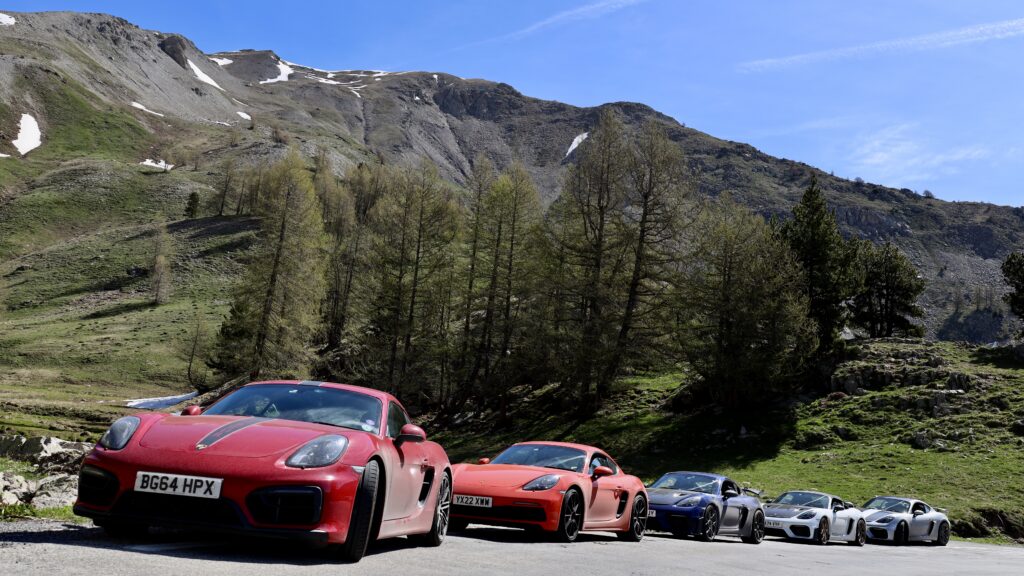
Of course, the most important lesson they gave me was about the car itself. When they all agreed that I needed to take a Porsche for a test drive, I genuinely didn’t understand what the fuss was all about. And then I drove one. I found myself in a machine that really did put me in the driving seat. It would respond to whatever I asked of it, but that meant I had to be careful about what I asked it for. It exposed the quality of my inputs.
A Porsche gives enough and controls enough for you to learn at a gradual pace, in a way that feels tuned to being human. It allows small mistakes, but it doesn’t disguise them. You feel weight move. You feel grip boundaries. You learn timing. Try to do too much too soon and the car will let you know but it won’t rescue you. You build trust because the car tells you the truth. Over time, it lets you approach its limits with confidence. If you’re patient, if you put the miles in, you start to recognise what good driving actually feels like.
Each Porsche I’ve owned has reinforced lessons in different ways. Learning how the guys drive their cars added another layer to those lessons. Following them, seeing where they brake and how that sets the car up for the corner rather than just slowing it down. Watching how early they get back on the power, not to accelerate harder, but to stabilise the car and control the exit. Learning how pace is built through flow rather than force. How speed is often created by scrubbing less rather than adding more. Trying to match that rhythm, corner after corner, providing endless opportunity to practise. To keep learning how to get closer to what the machine is capable of, and how much of that depends on me.
The GTS removed the need for me to learn, by doing too much of the work itself. The decision to move to a Carrera S was about trying to restore that learning, knowing there were no guarantees. If a GT3 was ever going to make sense, this felt like the right risk to take. And there’s an important reason why.
The C2S
As I sat in the car getting set up, still in the Porsche handover bay, I had high expectations. I’d had a test drive in a 992.2 C2S, of course, but being able to bed in with the car would take some miles. Even at this moment, there was a slim chance I’d made a decision about a change that wasn’t as big a change as I wanted. But I knew the engine was right. It was how everything else would feel with it. I’d had a C2S but this was new in almost all ways.
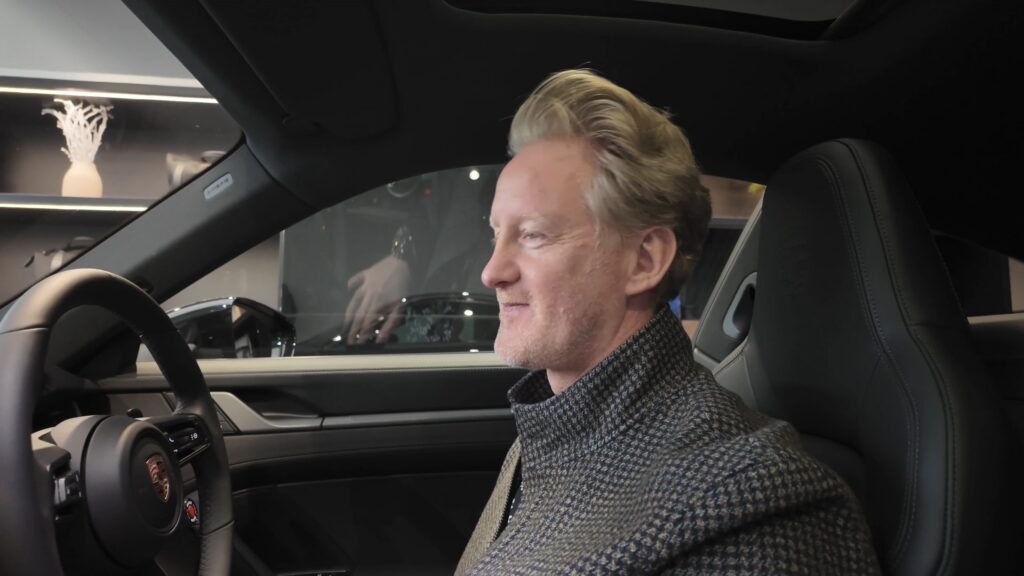
As compared to the previous generation the 992.2 Carrera S has revised turbochargers, improved intercooling, and updated engine management calibration. Power increases from 450 PS to 480, while torque delivery is shaped through refined boost control and throttle mapping that prioritise progressive response and thermal efficiency. Much of this calibration approach draws on what worked so well in the 992.1 GTS.
But what makes the 992.2 Carrera S engine special is that, despite being turbocharged, its behaviour is closer to a naturally aspirated engine than most modern forced induction designs. What matters is not the peak values, but the shape of the curve. When compared to a naturally aspirated Porsche engine, such as the one in a GT3, we start to see some important driver-specific similarities:
- Both engines require commitment and anticipation
- Both discourage relying on low rpm torque to solve corner exits
- Both reward momentum, placement, and timing
- The Carrera S achieves this through calibration
- The GT3 achieves it through architecture
Essentially in the S torque does not arrive fully formed at low engine speeds and then sit flat across the rev range. Boost control, throttle mapping, and torque targets are set up to avoid aggressive early saturation. The engine responds more like a system that rewards revs and commitment, rather than one that prioritises instant output. Porsche have masterfully created an engine in the S that behaves less like a modern torque optimised turbo unit and more like a naturally aspirated engine augmented by forced induction.

I learned from my manual 718 GTS 4.0 that naturally aspirated engines teach anticipation. They require you to think ahead, manage momentum, and place the car correctly before you ask for acceleration. The 992.2 Carrera S was designed to retain enough character to make speed feel earned rather than delivered.
First Impressions
As I left the dealership I was relieved. Everything I didn’t like about my Targa was gone. And everything I loved about every other Porsche I’d owned seemed to be present in this new Carrera S. The mechanics of how everything works together amplified how good it felt.
Even the simpler ambitions like much lighter steering that felt almost “point and shoot”, the throttle sensitivity without the weight making the car feel more agile. I got out on the open road for the first time and despite having to keep the revs below 4500 while I run it in, it felt more free. More flickable like my 718 GTS and more like a sports car was designed to feel. I had to actually think about how heavily I planted my foot in the wet conditions, to start to learn those limits again. I was back at school and it felt good.
The below is the start of my journey and I’ll be sharing plenty more along the way. I’m no longer interested in cars that make things easy. I’m interested in cars that make me better. The Carrera S feels like the right companion for this stage, and learning how to get the best out of it alongside people I trust is what makes the road ahead genuinely exciting.